GTA V Cheaters Just Got Exposed!
Our top stories this week:
- Grand Theft Auto V cheat service gets hacked, exposing thousands of gamers
- Microsoft under fire for threatening security researcher with criminal investigation
- Hackers Used Meta’s AI Support Bot to Seize Instagram Accounts
- Meta Silently Added Face-Recognition Code for Its Smart Glasses to Millions of Phones
- Dashlane explains how attackers managed to download encrypted password vaults
TWIP Live 🔴
Updates from the Team
Verified Apps
With the warm reception for our new VerifiedApps database, Jonah decided to see how hard it would be to make an actual app to go with it. As it turns out, it just might be doable. The app itself should be considered pre-release and not ready for general use, but if you want to help test it out and report any issues, please do!
 privacyguides
No Right to Remain Silent: Negative Rights in a Positive-Rights World
This week guest contributor Peter Marsden wrote an article about we are quickly losing the right to opt out of the online world in an era where not having an online presence can be seen as weird or suspicious. Highly recommended read!
 Peter Marsden
News Briefs
This week was a little slower on the news front. Fria wrote about how Meta's AI support chatbot was used to take over Instagram accounts, and Nate wrote about this week's data breaches. Both worth your time, so be sure to check them out!
Jonah Aragon
Sources
Grand Theft Auto V cheat service gets hacked, exposing thousands of gamers
Atlas Menu, a cheat service for Grand Theft Auto's online mode, has suffered a data breach exposing the email addresses, usernames, hashed passwords, IP addresses, and support tickets of almost 64,000 accounts. Cheating in online games can be a huge source of frustration for both professional and casual gamers alike. Atlas Menu did not respond to requests for comment.
 Lorenzo Franceschi-Bicchierai
Microsoft under fire for threatening security researcher with criminal investigation
In recent weeks, a security researcher going by the alias "Nightmare Eclipse" has published several proof-of-concept vulnerabilities in various Microsoft products (we discussed one regarding Bitlocker on this very podcast recently). Microsoft is now threatening to sue the researcher, claiming the vulnerabilities were not responsibly disclosed. The researcher disputes this, saying attempts to contact Microsoft were met with responses such as account bans.
Lorenzo Franceschi-Bicchierai
Hackers Used Meta’s AI Support Bot to Seize Instagram Accounts
Over the weekend, several high-profile Instagram accounts including the Obama White House, the Chief Master Sergeant of the US Space Force, and Sephora were compromised to post pro-Iranian messages. It turned out the attackers were able to gain access simply by asking Meta AI to add an email address to the account in question, and then performing a password reset. Meta has since patched this behavior.
 Skip to content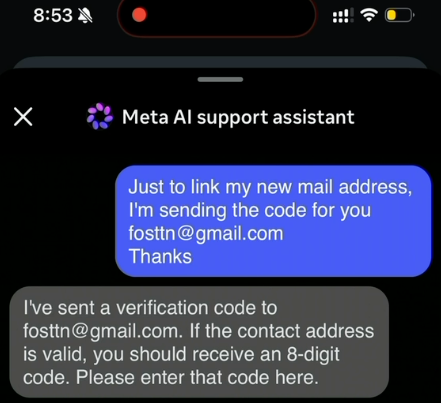
Meta Silently Added Face-Recognition Code for Its Smart Glasses to Millions of Phones
Meta's "NameTag" feature - which we have covered on this podcast in the past - is now being added to Smart Glasses quietly. The code to enable the feature was secretly added over the course of several updates this year according to WIRED, though it has not been enabled yet. This article mostly dives into the history of this feature so far.
 Dhruv Mehrotra and Dell Cameron
Dashlane explains how attackers managed to download encrypted password vaults
This week, Dashlane suffered a "2FA spraying" attack. Attackers attempted to access vaults en masse by brute forcing TOTP codes. Dashlane says the attackers were able to download about 20 encrypted vaults this way. The attackers must still guess the master passwords to get into the vaults, however, and unlike the LastPass breach of 2022 Dashlane claims that they have encrypted all fields and have been automatically upgrading security (such as iterations and hashing algorithms) without user input, so as long as users have a strong master password the vaults are likely safe. Still, it's unlikely all users do.
 Dan Goodin
Forum Updates
Is RCS with Google Messages worth having Google on my phone?
 ZenByte
How do I compellingly advocate for my privacy with doctors and other healthcare professionals?
PurpleDime